

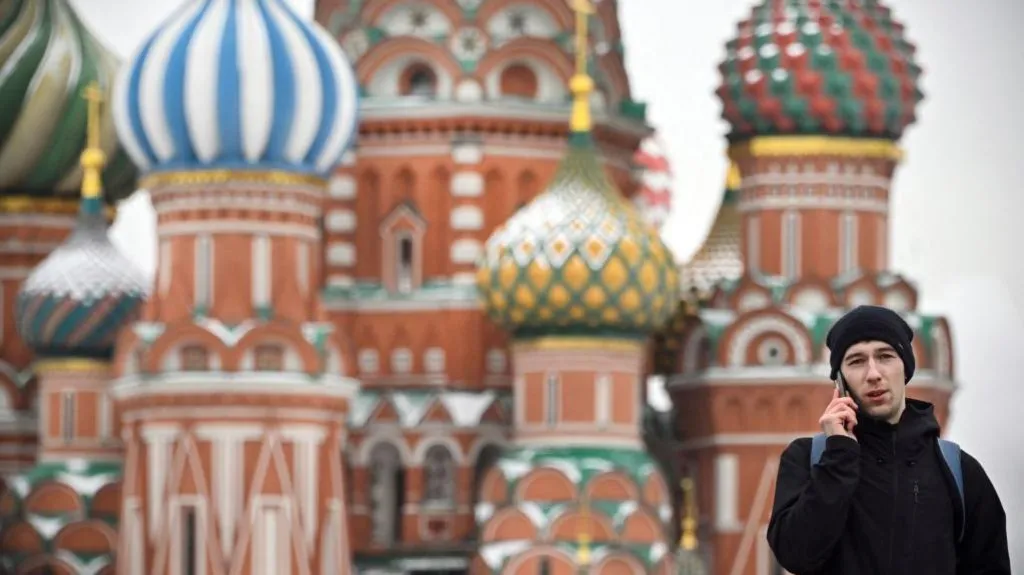
 Russian regulators are pushing a state-developed app as an alternative to WhatsApp
Russia has "attempted to fully block" WhatsApp in the country, the company said, as the Kremlin continues to tighten restrictions on messaging apps.
Meta-owned WhatsApp said the move aims to push more than 100 million of its app users in Russia to a "state-owned surveillance app".
This comes after Russian regulators further curbed access to Telegram, citing a lack of security. Telegram is estimated to have as many users as WhatsApp in Russia.
The Kremlin did not immediately respond to a request for comment from the BBC.
"Trying to isolate over 100 million users from private and secure communication is a backwards step and can only lead to less safety for people in Russia," said WhatsApp in a statement.
"We continue to do everything we can to keep users connected."
Russia's communications regulator, the Roskomnadzor, has made repeated warnings to WhatsApp to comply with local law.
State-owned Tass Media reported earlier this year that WhatsApp is expected to be permanently blocked in the country in 2026.
"Such harsh measures" are "absolutely justified" since Russia has designated Meta as an extremist organisation, Andrei Svintsov, a Russian official, was quoted as saying.
Moscow has made extensive efforts to push Russians to a state-developed communications platform called Max.
The app has been likened to China's WeChat - a so-called "super app" that combines messaging and government services, but without encryption.
Russia has argued that both WhatsApp and Telegram have refused to store Russian users' data in the country as required by law.
Since 2025, the authorities have mandated that the Max app be pre-installed on all new devices sold in the country. Public sector employees, teachers and students have been required to use the platform.
Telegram's chief executive, Russian-born businessman Pavel Durov, said the state is restricting access to its service in an attempt to force its people to use its own app for surveillance and political censorship.
Iran has tried a similar strategy to ban Telegram and push its people to a state-run alternative, but citizens have found ways to work around this, he wrote online.
"Restricting citizens' freedom is never the right answer," said Durov.

The spectacular multimillion-e
The theft has left Germans with a strong sense that trust in institutions and the system has been shaken.(2 )Readerstime:2026-02-15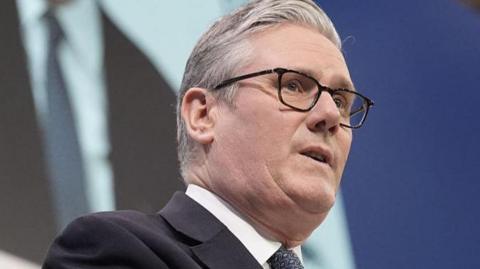
Europe must be ready to fight,
The prime minister‘s speech comes after a tumultuous week in his political career back home.(2 )Readerstime:2026-02-15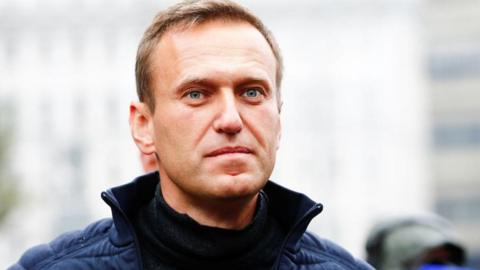
Russia killed opposition leade
There is no innocent explanation for the toxin, called epibatidine, being found in samples taken from Navalny‘s body, the Foreign Office said.(2 )Readerstime:2026-02-14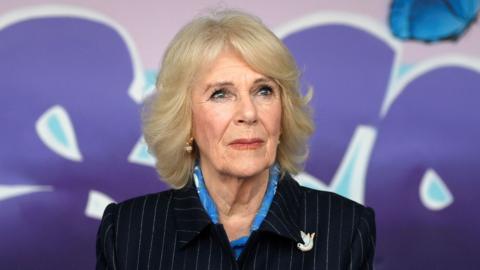
Queen's letter of support left
The Queen‘s note said Gisèle Pelicot‘s courage had "created a powerful legacy that will change the narrative around shame, forever".(3 )Readerstime:2026-02-14US wants Russia and Ukraine to
 The Ukrainian leader says difficult issues remain, as Russia carries out further strikes on energy facilities.2026-02-07
Leak damages 19th Century pain
 A catalogue of incidents at the world‘s most visited museum have placed museum bosses come under increasing scrutiny.2026-02-13
How plans for Trump Internatio
 The project would have built on the ruins of the defence ministry bombed by Nato back in 1999.2026-02-05
Fears flight route changes cou
 A charity has warned that changes to a flight route could result in same-day return travel being impossible for some cancer patients.2026-02-05