

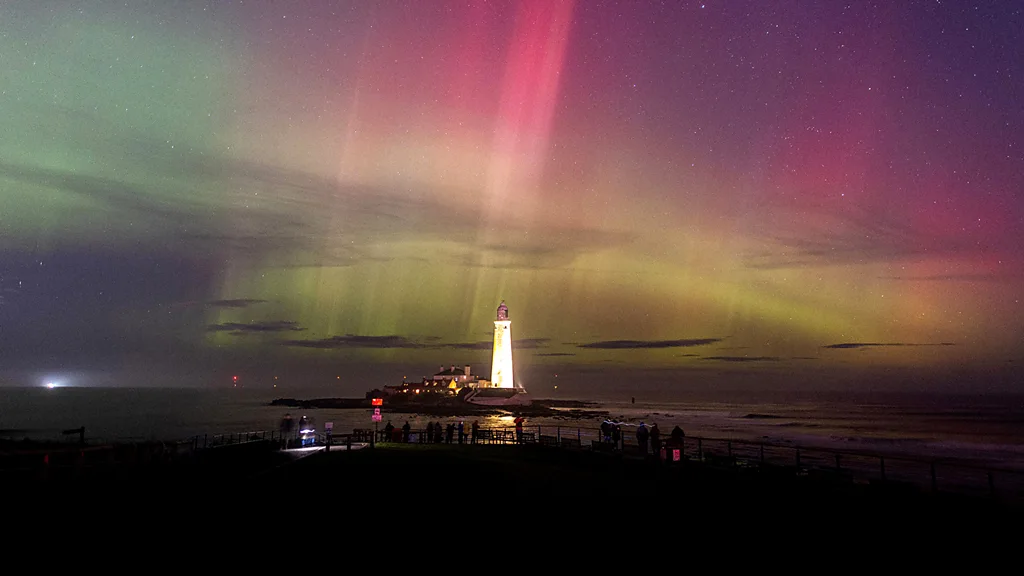
 (Credit: Wil Photography)
Experts say 2026 will be a peak year for aurora spotting. Photographer Wil Cheung has seen the borealis more than 400 times and offers his tips on how to witness them yourself.
In March 2015, Wil Cheung was visiting Iceland with friends to witness a solar eclipse when he received a tip that an unmissably strong aurora was expected over Thingvellir National Park.
"I remember thinking, is it really worth it? We'd need to hire a car and drive in the freezing cold," Cheung says. "But once we started driving, we began to see these colours, and they just got stronger. We ended up lying on the snow in the national park and seeing these huge pillars of light, hundreds of miles high. I'm not religious, but it felt like this huge angel above me. We were there for hours mesmerised, and I was hooked."
Cheung was already volunteering at a local observatory back home in Northumberland, England, learning about the science of the night sky, but once home, he threw himself into the study of celestial photography.
"I thought that if I could photograph the night sky and the aurora, then hopefully I could inspire people to see it themselves," he says.
By the end of 2017, Cheung was running star-gazing and aurora talks at Northumberland National Park. When he started leading aurora hunting trips abroad, the initial waiting list to join the tours extended up to 17 years.
To date, Cheung has seen the lights more than 400 times, watching them strobe the sky everywhere from northern France to the Arctic. With 2026 predicted to be one of the best years to see the lights in more than a decade, his tally looks set to balloon even further.
Here are his tips for catching the aurora at their best.
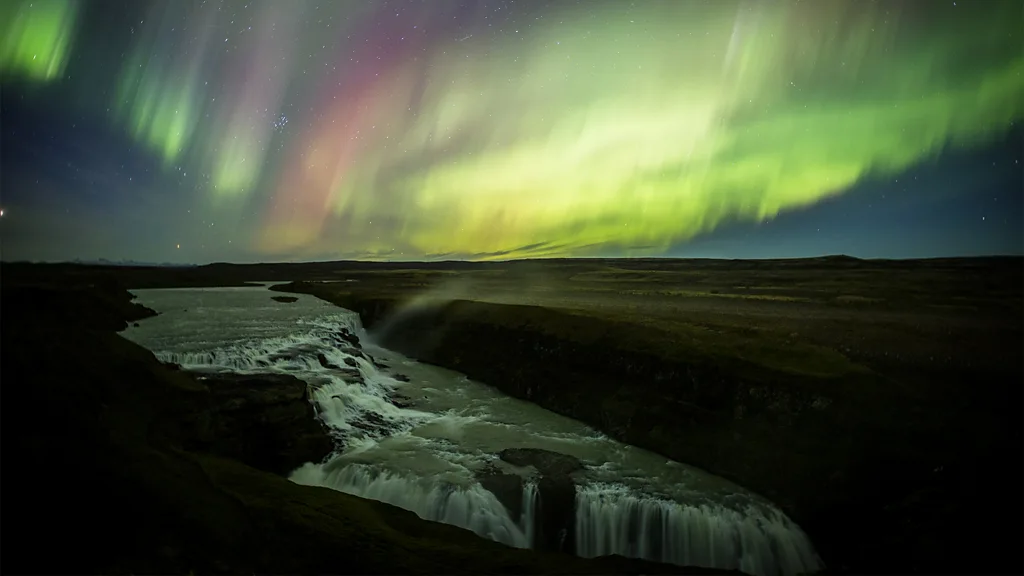 Cheung has witnessed, and photographed, more than 400 auroras (Credit: Wil Photography)
The place we call the "oval", which is where we see the aurora, normally sits above the Arctic Circle.
So, your best chances of seeing them are in places like Norway, Finland, Northern Sweden, Greenland, northern Iceland, Canada and Alaska. Tromsø in Norway is often touted as one of the best places, as it's inside the Arctic Circle, but the challenge with Tromsø is that it's often under cloud. For me, Akureyri, in northern Iceland, is one of the best places, as the location is good for both weather conditions and aurora. I also like Iceland because it's so easy to drive around. Cruises are also good for aurora chasing because they take you out to sea, away from the clouds and light pollution. A few weeks ago, I was on a cruise off the coast of northern Norway and I have never seen the sky such a crazy blood red.
The best time for aurora chasing is when there's no Moon in the sky. In northern latitudes, a full Moon has less impact on [the] aurora, and there have been many times when the aurora is visible. You want to be away from major cities and light pollution. Use things like light pollution maps; lightpollutionmap.info is really good. Don't just look at where you're based, either, but what is north of your location. If there's a town north of you, then the northern horizon is going to have a bit of a glow. The number one challenge with aurora chasing is actually clear-sky chasing. If you're booking your own trip, I'd recommend leaving it until as late as possible and checking the weather to give you the best chance. The good thing about aurora season is that it's typically the quietest season in Norway and Iceland, so the flights are normally really cheap, even a week in advance.
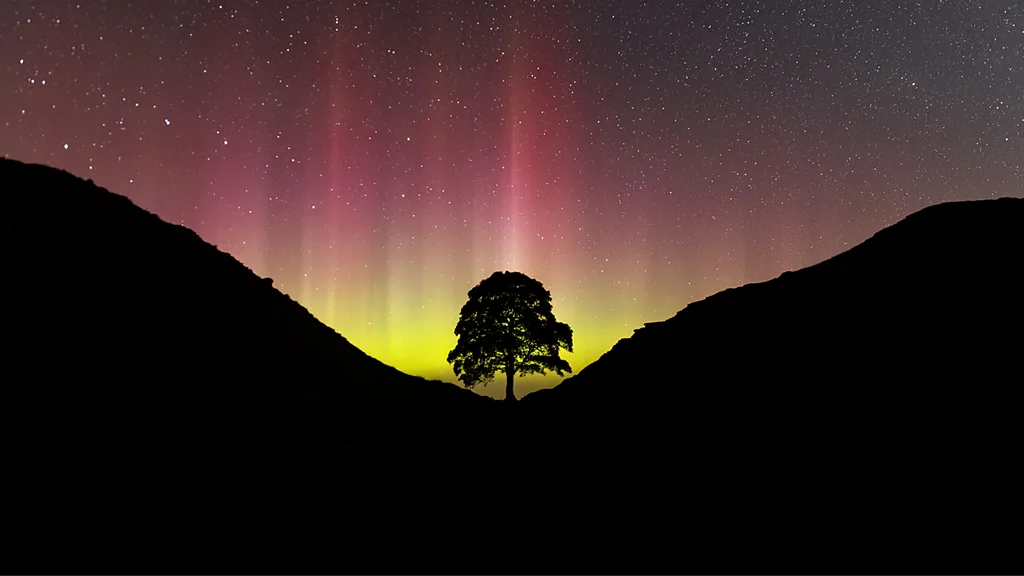 Each aurora is a once-in-a-lifetime experience (Credit: Wil Photography)
The most emotional memory I have of the aurora is from [the Sycamore Gap tree in Hexham]. When I first found out that tree existed, my goal was to get a beautiful aurora behind it. I'd tried many times. I'd photographed comets, the Milky Way, shooting stars and noctilucent clouds behind it, but I had yet to get a bright aurora display. In September 2023, 17 days before it was felled, there was the most beautiful aurora, with pillars directly behind it. My first time seeing the lights there coincided with my last time seeing the tree.
I also have a photograph at Skógafoss waterfall in Iceland where it looks like the aurora is a waterfall in itself, then it joins with Skógafoss, and it's like the sky and the Earth are combined. So many people go to Skógafoss, but I saw that in the middle of the night when no one else was there. That was a special moment just for me.
I always say the dream is to be directly underneath the aurora. When you're underneath it, you see these rays coming straight for you, raining down on you.
It's called the corona, the crown, and it's what everyone wants to see. It's like you're being beamed up into infinity. I've seen it quite a few times, luckily. Three in the morning at Skógafoss was a bit mad. Where I was staying in Iceland was a bit cloudy, but I knew clear skies were forecast at Skógafoss, so even though it was midnight and it was an hour and half's drive, I went for it. I parked up and knew within 10 minutes that it was going to go crazy and, sure enough, it was right above me. It was the most incredible thing.
There is a natural 11-year cycle of activity of the Sun, when you get a lot more sunspots, and an aurora peak comes a couple of years after [the sunspot peaks]. There's a bit of guess work, some scientists think this solar peak was the end of 2024, some think it has just gone in 2025. So, if it was 2024-2025, that means 2026-2027 are likely to be the most active for aurora storms.
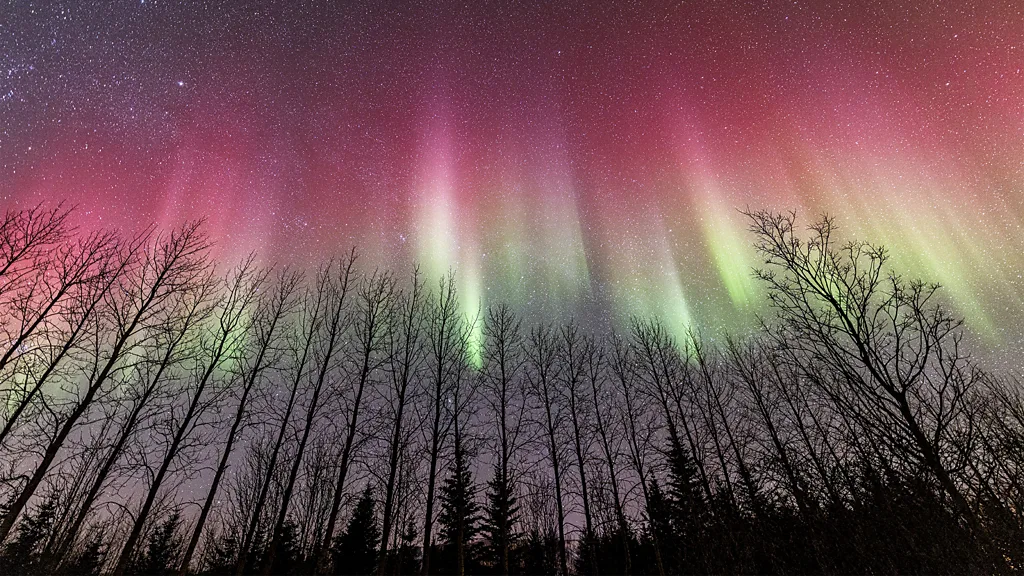 Scientists believe 2026 will be a prime year for aurora chasing (Credit: Wil Photography)
Most people know the aurora is beautiful. But… the aurora is there because the Earth's magnetic field is protecting us from harmful radiation from the Sun. This radiation could literally kill us, but the atmosphere turns it into light, into a show for us to enjoy, and to be wowed by. It's Earth protecting life, and I think at some deep level, humans, as part of the universe, as atoms, are aware of this.
Find a cabin or lodge in a location that has very dark skies. In a typical night, the aurora goes through phases. Most of the time, the phase is just a hazy glow. The most exciting time is the expansion phase, where you see structure, brightening, movement, the explosion of the aurora. This phase can sometimes last just minutes, so ideally you want to stay somewhere you can keep popping your head out rather than being in a position where you're limited by the tours you're going to take. By staying in the dark-sky area, you've got the whole night, rather than gambling it all on the few hours of a tour.
If you're not driving and need to book a tour, do your homework. The right tour will have good local knowledge of things like light conditions, weather conditions [and] microclimates, which are a big thing in Norway [because of] the fjords. There are a lot of dodgy tours out there, so I would recommend reading the reviews.
BBC Travel's The SpeciaList is a series of guides to popular and emerging destinations around the world, as seen through the eyes of local experts and tastemakers.
--
If you liked this story, sign up for The Essential List newsletter – a handpicked selection of features, videos and can't-miss news, delivered to your inbox twice a week.
For more Travel stories from the BBC, follow us on Facebook and Instagram.
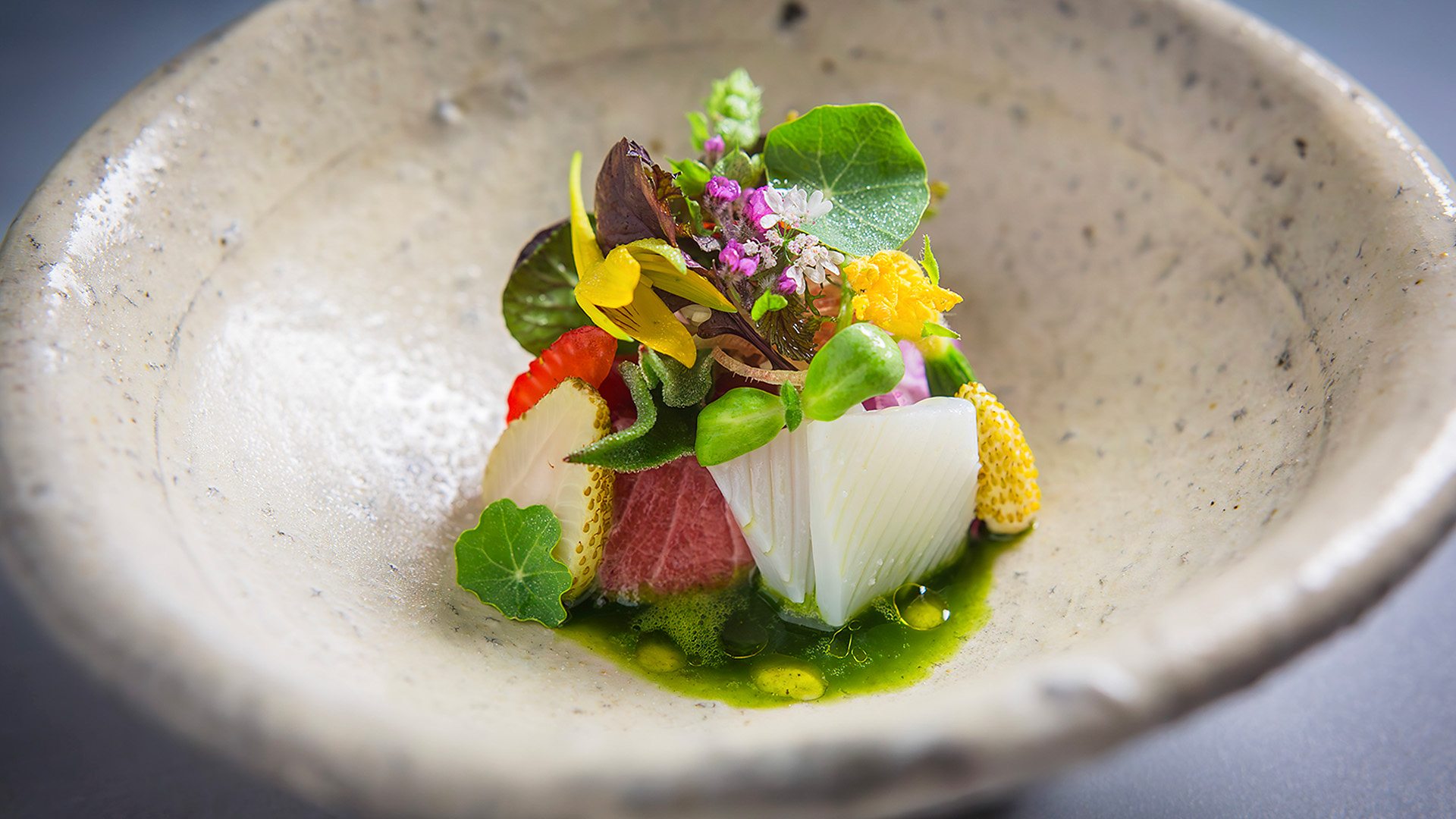
The most anticipated restauran
From flame-seared dishes in Mexico to avant-garde cooking in India, these six new restaurants are worth travelling for this year.(2 )Readerstime:2026-02-14
The secretive islands behind t
Remote and off-limits to tourists, Chagos is a paradisiacal slice of the tropics that‘s home to one of the most pristine reef systems on Earth. So why are they ...(2 )Readerstime:2026-02-13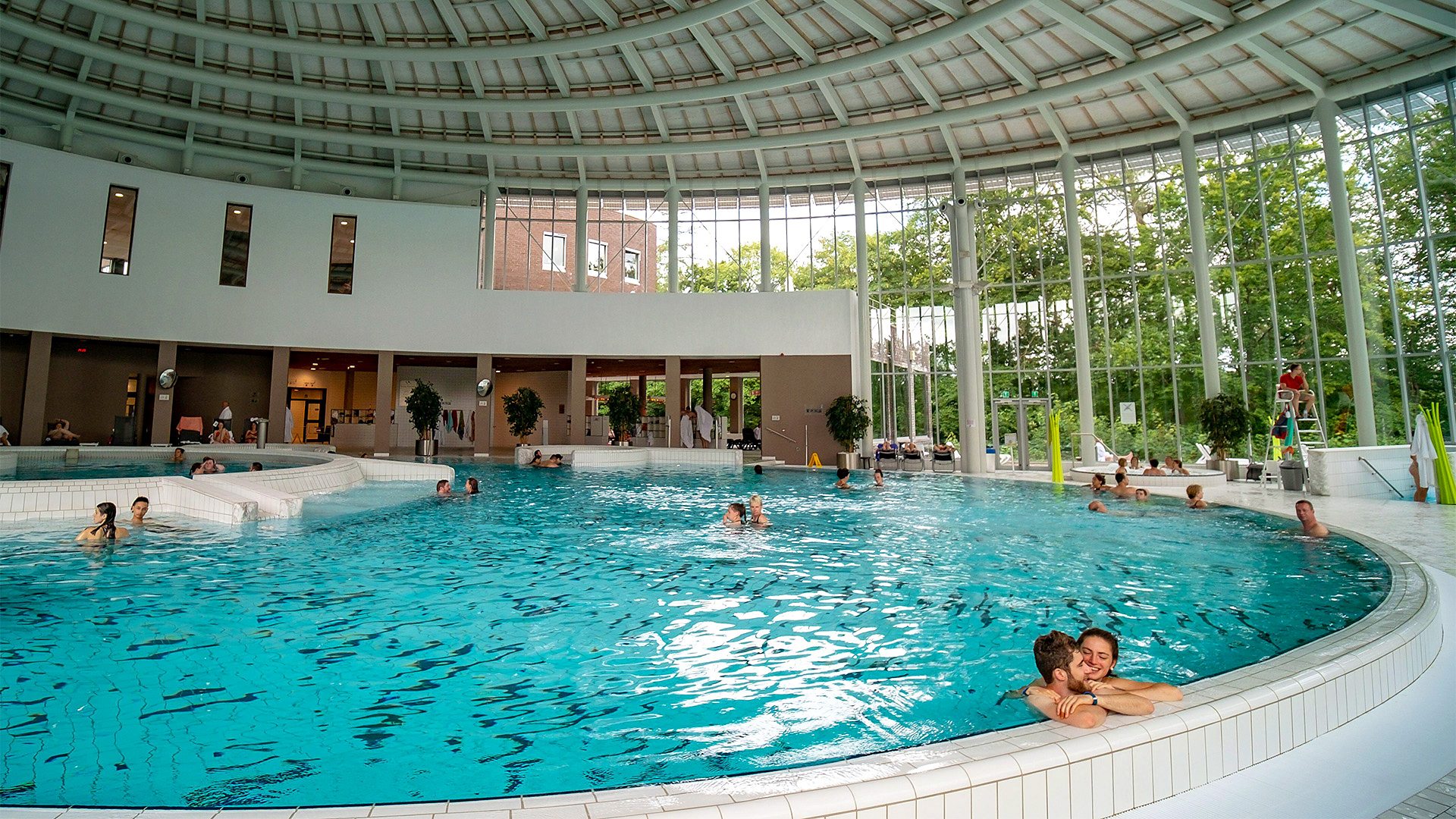
The town that launched a globa
Long before wellness became a global industry, a small town in eastern Belgium shaped how Europeans thought about health, leisure and water.(2 )Readerstime:2026-02-12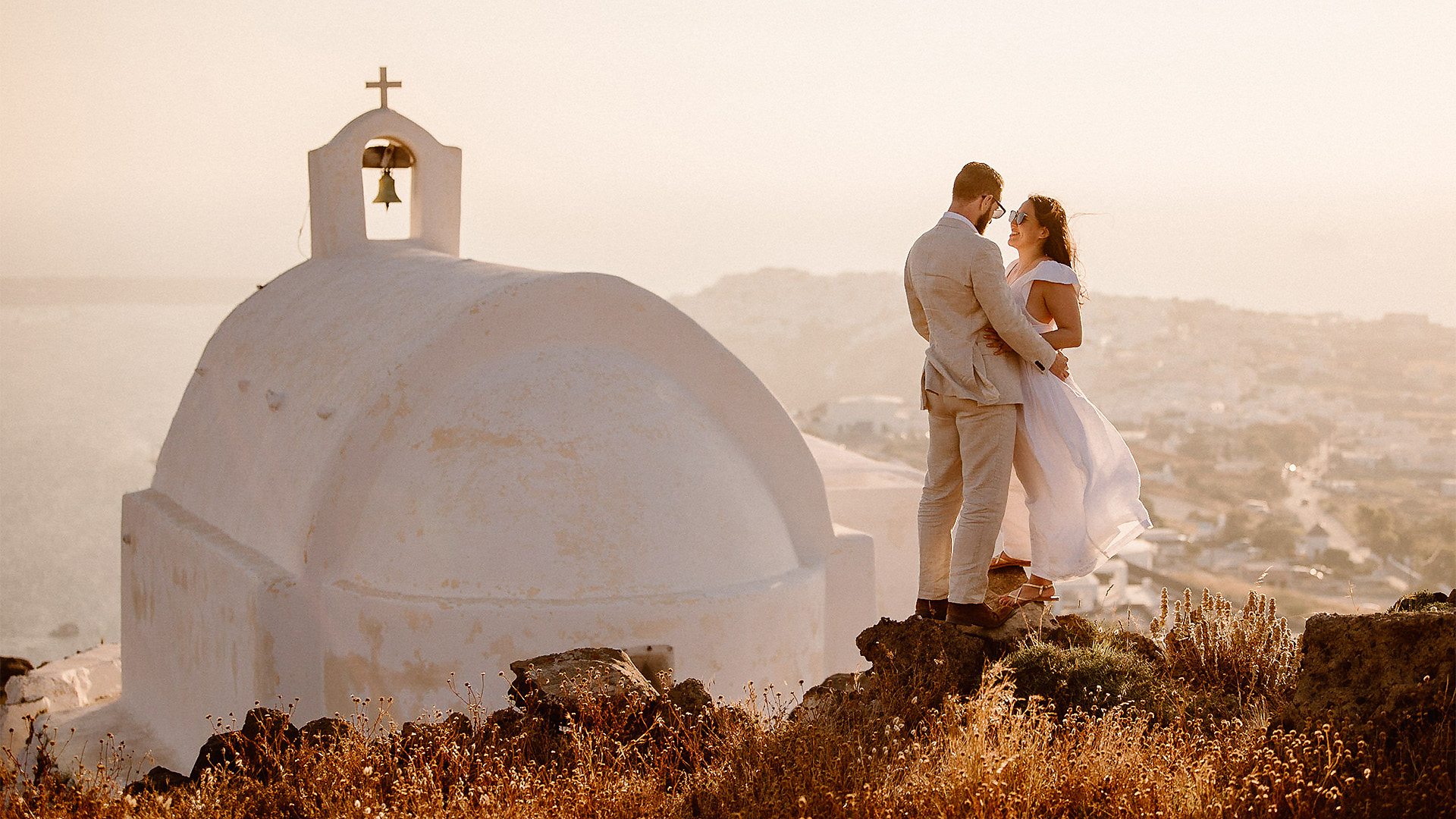
Where to elope in 2026
Once furtive affairs, elopements now happen in spectacular destinations and have become an increasingly popular way for couples to embark on the adventure of ma...(3 )Readerstime:2026-02-11Fifty courses and no leftovers
 Each year in the village of Villavallelonga, friends and family gather to honour a local saint with a 50-course meal where no forkful goes uneaten – just as the...2026-02-06
A rare look at one of Earth's
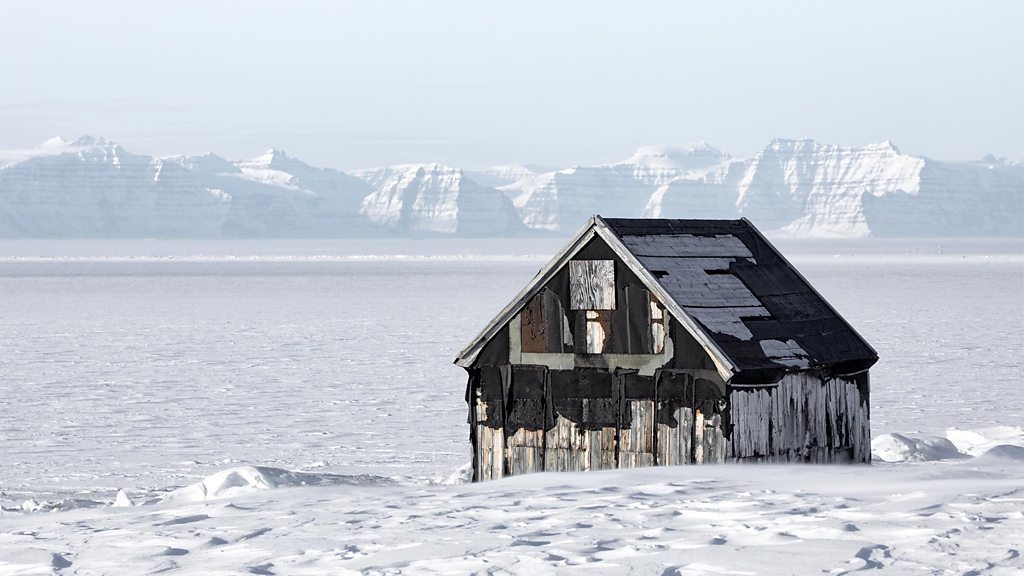 Frozen in for nine months a year and located 800km from the next town, the Arctic village of Ittoqqortoormiit offers a fascinating glimpse at life at the edge o...2026-01-10
Seven wellness traditions to b
 From Indonesia‘s herbal tonics to Japan‘s towel rubdowns, these wellness traditions and habits from across the globe can invigorate your new year.2026-01-16
Why these sustainable towns in
 From compost-powered cities to dark-sky pioneers, these lesser-known US towns are proving that sustainability and great travel go hand in hand.2026-01-18