

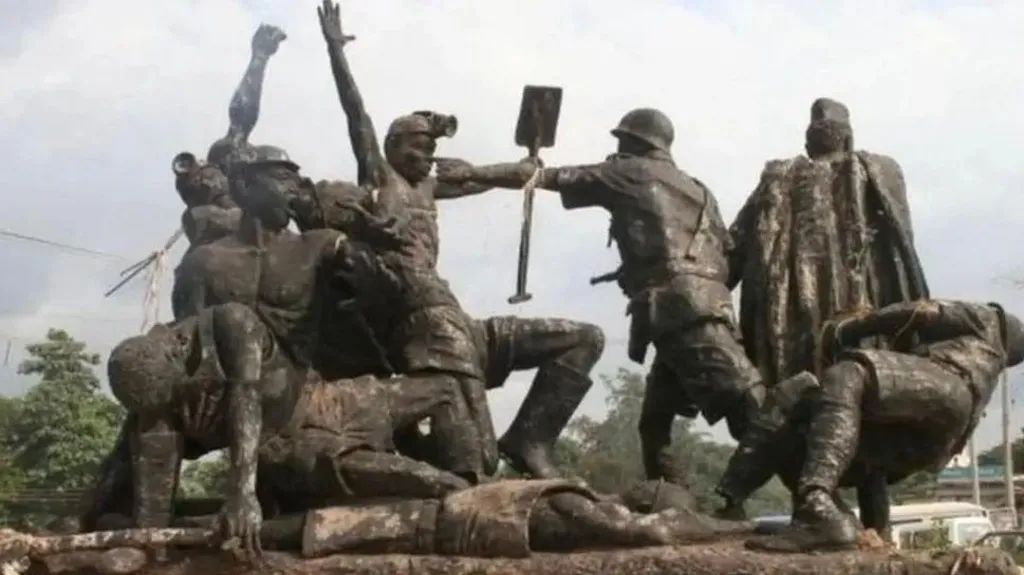
 A statue commemorating the killing of the coal miners was erected in the centre of Enugu
A Nigerian court has ordered the British government to pay $27m (£20m) to each of the families of 21 coal miners killed in 1949 by the colonial administration in the south-east of the country.
The colonial police, made up of Nigerians and Europeans, shot dead workers striking for better conditions. Dozens more were injured in what the state-run News Agency of Nigeria described as one of the most notorious acts of repression under British rule in Nigeria.
Historians say the killing helped galvanise support for the burgeoning anti-colonial movement that led to independence 11 years later, in 1960.
The BBC has asked the British Foreign Office for comment.
Families and rights groups have led a decades-long campaign for official acknowledgment and compensation.
The ruling, delivered by Justice Anthony Onovo in Enugu, described the massacre as unlawful and extrajudicial violation of the right to life, NAN reports.
According to him, the British government must be held accountable and must make reparations to the victims' families.
"These defenceless coal miners were asking for improved work conditions, they were not embarking on any violent action against the authorities, but yet were shot and killed," Onovo told the Enugu High Court.
The workers at the Iva Valley coal mine were protesting against harsh working conditions, racial disparities in wages and unpaid back wages.
When their demands were not met, they adopted a "go-slow" protest and occupied the mine to prevent management from locking them out, NAN reports.
The suit was brought by human rights activist, Mazi Greg Onoh, who listed the British and Nigerian governments as respondents.
"This ruling represents a significant milestone in the pursuit of historical accountability and justice for colonial-era violations, affirming that the right to life transcends time, borders, and changes in sovereignty," said the applicants' lawyer, Prof Yemi Akinseye-George.
The killings took place on 18 November 1949 in Enugu, which was the administrative capital of the Eastern Region of British-administered Nigeria at the time.
Historian Damola Adebowale told the BBC it was a "trigger-point" for the independence movement.
"Calls for independence already exist[ed] and talks [were] ongoing. The massacre was a reference point for people outlining the need for the colonialists to go," he said.
During an official investigation at the time, the police defended the shootings by saying they feared being overwhelmed.
But among those that the inquiry blamed were the colonialists in charge of the police for inflaming the situation.
Those killed are now celebrated in the region as heroes.
Additional reporting by Chiagozie Nwonwu and Nduka Orjinmo

Go to BBCAfrica.com for more news from the African continent.
Follow us on Twitter @BBCAfrica, on Facebook at BBC Africa or on Instagram at bbcafrica
Motorbike raids on villages ki
Assailants shot dead or cut the throats of their victims, lit homes on fire and abducted multiple people in Niger state, Nigeria.(2 )Readerstime:2026-02-15
Planned US-funded baby vaccine
Giving some newborns in Guinea-Bissau an established hepatitis B treatment but not others is "unethical", it says.(2 )Readerstime:2026-02-15
Sudan war crimes saw 6,000 kil
Paramilitary Rapid Support Forces (RSF) committed the atrocities in the city of el-Fasher, says a UN report.(2 )Readerstime:2026-02-14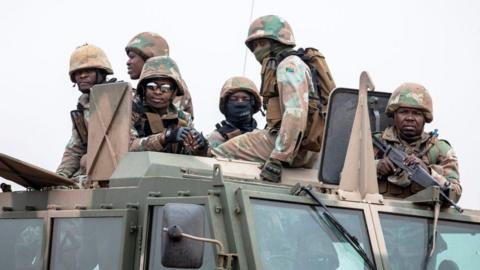
South Africa to deploy troops
President Cyril Ramaphosa says the army will work with the police to fight organised crime and illegal mining.(2 )Readerstime:2026-02-13King Charles to host Nigeria's
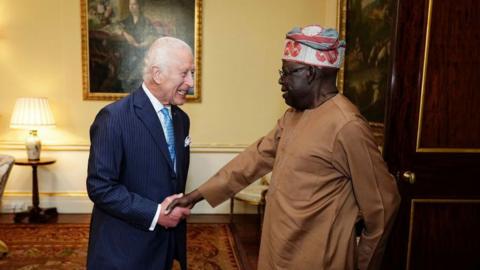 President Bola Tinubu and First Lady Oluremi Tinubu will be guests at Windsor Castle from 18 to 19 March.2026-02-08
Ghana declares Wednesday 'Fugu
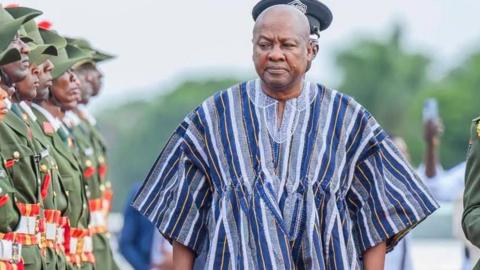 The iconic attire has been trending online for days following the banter between Ghanaians and Zambians.2026-02-11
Fisherman fleeing elephants ki
 The fisherman ran into a stream near the river after he and two friends encountered a herd of elephants.2026-02-06
Bid launched to extend Zimbabw
 President Mnangagwa‘s term in office is due to end in 2028 but a bill could open the way for him to extend that time.2026-02-11